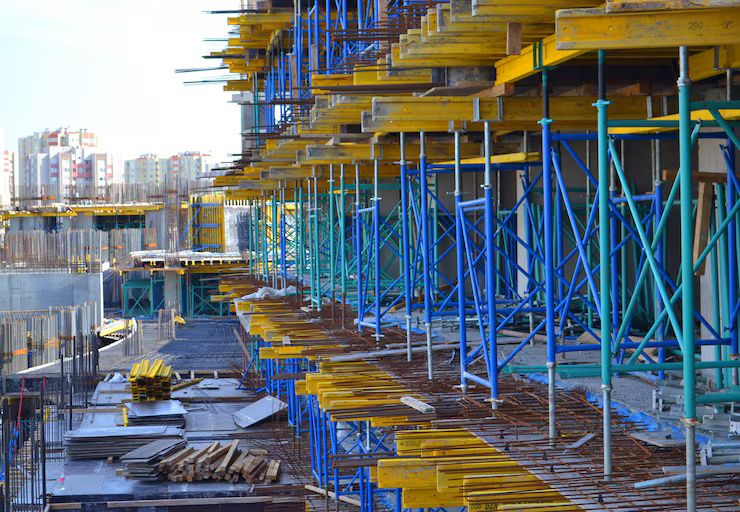
Scaffolding systems are temporary structures used in construction, maintenance, and industrial projects to provide safe access and support for workers, tools, and materials at elevated heights. These systems are essential for tasks such as building construction, repairs, painting, inspection, and installation work.
Scaffolding exists to ensure worker safety, improve productivity, and enable access to areas that cannot be reached from the ground. With increasing emphasis on workplace safety and construction efficiency, modern scaffolding systems have evolved to meet strict structural and regulatory requirements.
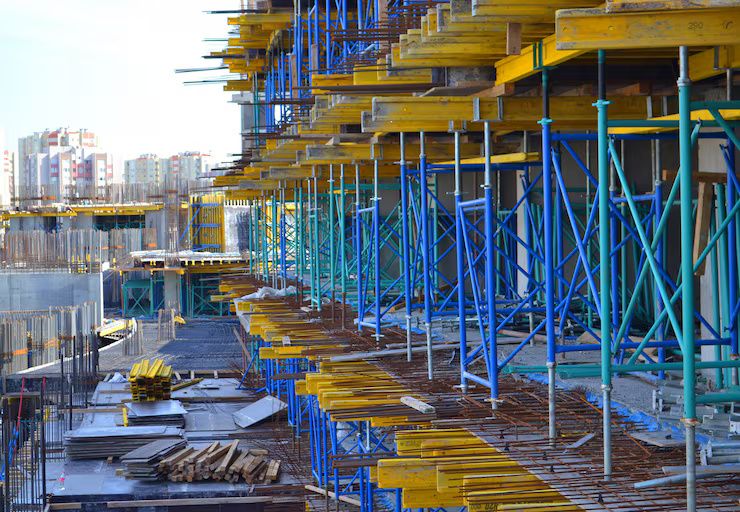
Context: What Scaffolding Systems Are and Why They Exist
In early construction practices, ladders and makeshift platforms were commonly used for height access. These methods were unstable and posed significant safety risks. As construction projects became larger and more complex, standardized scaffolding systems were developed.
Scaffolding systems exist to:
-
Provide stable working platforms at height
-
Ensure safe access to elevated areas
-
Support tools and construction materials
-
Improve work efficiency and accuracy
-
Reduce fall-related accidents
Modern scaffolding integrates engineered components, modular designs, and safety mechanisms to meet diverse project needs.
Importance: Why Scaffolding Systems Matter Today
Scaffolding systems play a critical role in construction safety and project execution.
Key Reasons Scaffolding Systems Are Important
1. Worker Safety
Reduces fall hazards and workplace injuries.
2. Construction Efficiency
Allows multiple workers to operate simultaneously.
3. Structural Stability
Provides secure platforms for heavy-duty tasks.
4. Regulatory Compliance
Meets occupational safety standards.
5. Versatile Application
Adaptable to various construction environments.
This topic is relevant to construction companies, civil engineers, safety officers, project managers, industrial contractors, and infrastructure developers.
1. Recent Updates: Scaffolding Industry Trends (2024–2025)
Scaffolding technology continues to advance alongside safety regulations and construction methods.
2. Modular and System Scaffolding
Faster assembly and dismantling.
3. Lightweight High-Strength Materials
Improved handling and durability.
4. Enhanced Safety Components
Guardrails, toe boards, and anti-slip platforms.
5. Digital Safety Monitoring
Load and stability tracking systems.
6. Stricter Safety Regulations
Increased enforcement of compliance standards.
7. Reusable and Sustainable Designs
Reduced material waste.
Laws & Policies Affecting Scaffolding Systems
Scaffolding use is governed by occupational safety and construction regulations.
Key considerations include:
-
Workplace safety laws and standards
-
Load capacity and structural design requirements
-
Mandatory inspection and certification rules
-
Worker training and competency regulations
-
Fall protection and access guidelines
Compliance is essential to avoid accidents, legal penalties, and project delays.
Types of Scaffolding Systems
Scaffolding systems are categorized based on structure, mobility, and application.
Single Scaffolding
Used mainly for brickwork and masonry.
Double Scaffolding
Provides additional support for stone masonry.
Cantilever Scaffolding
Used when ground support is not possible.
Suspended Scaffolding
Platforms suspended from roofs for façade work.
Mobile Scaffolding
Mounted on wheels for easy movement.
System Scaffolding
Prefabricated modular components for fast setup.
Tube and Coupler Scaffolding
Flexible system using steel tubes and connectors.
How Scaffolding Systems Work
Scaffolding systems are assembled using standardized components designed to distribute loads safely.
-
Base plates and foundations provide stability
-
Vertical standards support overall structure
-
Ledgers and transoms connect frames
-
Platforms create working surfaces
-
Guardrails and toe boards ensure safety
-
Anchors and ties secure scaffolding to structures
-
Load limits are maintained through design calculations
Proper assembly ensures stability and safe operation.
Materials Used in Scaffolding Systems
Material choice affects strength, weight, and durability.
Steel
High load-bearing capacity and durability.
Aluminum
Lightweight and corrosion-resistant.
Timber
Used for planks and traditional scaffolding.
Composite Materials
Offer strength with reduced weight.
Protective Coatings
Prevent rust and corrosion.
Scaffolding Types and Common Applications
| Scaffolding Type | Primary Material | Typical Application |
|---|---|---|
| Single Scaffolding | Steel/Timber | Brickwork |
| Double Scaffolding | Steel | Stone masonry |
| Suspended Scaffolding | Steel/Aluminum | Building maintenance |
| Mobile Scaffolding | Aluminum | Interior work |
| System Scaffolding | Steel/Aluminum | Large construction projects |
Applications of Scaffolding Systems
Scaffolding systems are used across various industries.
Building Construction
Residential and commercial projects.
Industrial Maintenance
Refineries, power plants, and factories.
Infrastructure Projects
Bridges, tunnels, and highways.
Facade and Cladding Work
Glass and exterior installations.
Shipbuilding and Repair
Marine construction environments.
Event and Stage Setup
Temporary structures and platforms.
Construction Safety Considerations
Safety is a core element of scaffolding usage.
-
Proper design and load calculations
-
Secure anchoring and bracing
-
Regular inspection before use
-
Use of guardrails and fall protection
-
Worker training and supervision
-
Clear access and exit points
Safety planning minimizes accident risks.
Benefits of Modern Scaffolding Systems
Enhanced Worker Protection
Reduces fall-related injuries.
Improved Productivity
Enables efficient task execution.
Design Flexibility
Adapts to complex structures.
Reusability
Cost-effective over multiple projects.
Compliance Assurance
Meets safety standards.
Challenges & Considerations
Scaffolding systems require careful planning and management.
-
Initial setup time and cost
-
Skilled labor requirements
-
Space constraints
-
Weather-related risks
-
Ongoing inspection needs
Proper management helps mitigate these challenges.
How to Choose the Right Scaffolding System
Assess Project Requirements
Height, load, and duration.
Select Suitable Material
Based on environment and usage.
Ensure Safety Compliance
Meet regulatory standards.
Evaluate Assembly Efficiency
Modular systems for faster setup.
Check Supplier Support
Training and technical assistance.
Maintenance & Best Practices
-
Inspect components regularly
-
Replace damaged parts immediately
-
Maintain proper storage conditions
-
Keep platforms clean and dry
-
Document inspections and approvals
Consistent maintenance ensures long-term safety.
Frequently Asked Questions
1. Why is scaffolding required in construction?
To provide safe access and working platforms at height.
2. Are scaffolding systems reusable?
Yes, most modern systems are reusable.
3. Who is responsible for scaffolding safety?
Employers and site supervisors.
4. How often should scaffolding be inspected?
Before use and at regular intervals.
5. Can scaffolding be used indoors?
Yes, especially mobile scaffolding systems.
Conclusion
Scaffolding systems are a fundamental part of modern construction and industrial operations, enabling safe access, efficient workflows, and compliance with safety regulations. From residential buildings to large infrastructure projects, scaffolding provides the structural support needed for work at height.
Understanding types, materials, applications, safety requirements, and best practices helps construction professionals select and manage scaffolding systems effectively. As safety standards continue to evolve, well-designed scaffolding will remain essential for protecting workers and ensuring successful project execution.
