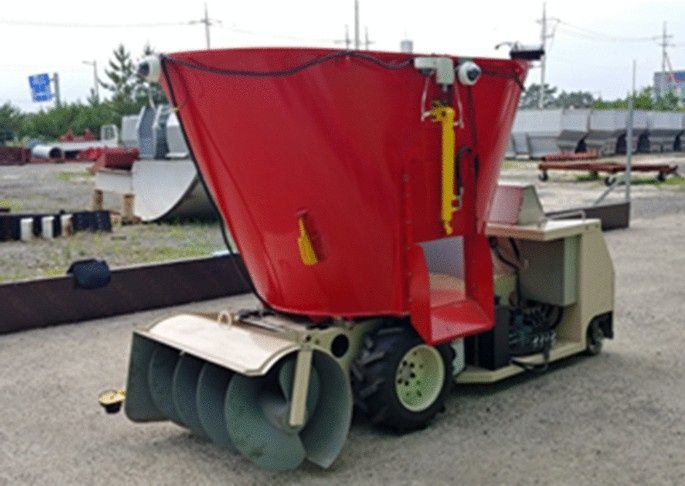
A robotic TMR mixer is an automated feeding system used in dairy and livestock farms to prepare and distribute Total Mixed Ration (TMR). Total Mixed Ration refers to a balanced blend of forage, grains, protein sources, minerals, and supplements combined to meet the nutritional needs of cattle. Traditionally, this process required manual operation or tractor-powered mixers. The introduction of robotic TMR mixer systems reflects the broader shift toward farm automation and precision livestock management.
The purpose of a robotic TMR mixer is to automate feed preparation, ensure consistent ration quality, and reduce reliance on manual labor. These machines are typically programmed to collect feed ingredients, mix them according to preset formulations, and distribute the ration along feeding lanes at scheduled times.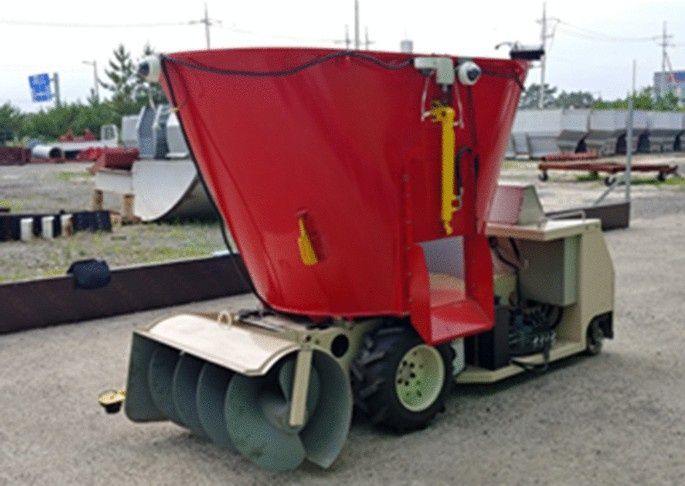
As dairy and livestock farms grow in size and complexity, feeding efficiency becomes central to herd health and milk production performance. Robotic feeding systems exist to address this operational need while integrating with modern farm management technologies.
Importance
Robotic TMR mixers play a significant role in improving feeding accuracy, operational efficiency, and herd management. Their importance is most visible in medium to large dairy operations, where consistent nutrition directly influences animal health and productivity.
Key reasons robotic TMR mixer systems matter include:
-
Consistent feed quality: Automated mixing ensures uniform distribution of nutrients.
-
Labor optimization: Reduced manual feeding effort allows farm teams to focus on monitoring and herd care.
-
Improved feeding frequency: Automated systems can deliver smaller, more frequent rations.
-
Data integration: Many robotic mixers connect with farm management software for performance tracking.
-
Reduced feed waste: Accurate portioning minimizes overfeeding and material loss.
In modern livestock operations, robotic TMR mixers support precision feeding strategies and contribute to better herd performance outcomes.
Feeding Process in Robotic TMR Systems
Understanding the feeding process helps clarify how robotic TMR mixer technology functions in practice.
A typical automated feeding sequence includes:
-
Ingredient loading: The system retrieves feed components from storage areas using programmed routes.
-
Weighing and proportioning: Integrated sensors measure ingredient quantities based on predefined nutritional plans.
-
Mixing cycle: The mixing chamber blends materials to achieve a uniform Total Mixed Ration.
-
Automated distribution: The robotic unit navigates feeding lanes and dispenses feed at scheduled intervals.
-
Data logging: Feeding records are stored for analysis and performance monitoring.
This structured process ensures that each group of animals receives a consistent and balanced ration aligned with herd management objectives.
Recent Updates
Recent developments in robotic TMR mixer technology focus on connectivity, energy efficiency, and integration with broader smart farming ecosystems.
Key trends observed in recent periods include:
-
Enhanced navigation systems: Improved sensor-based guidance supports more accurate movement within barns.
-
Smart feeding analytics: Advanced software tools provide detailed reporting on feed intake patterns.
-
Battery-powered operation: Energy-efficient designs reduce operational emissions and noise.
-
Integration with herd monitoring systems: Feeding data can align with milk production and health tracking metrics.
-
Remote monitoring features: Farm managers can review feeding activity through connected dashboards.
These advancements reflect the expanding role of farm automation systems in livestock operations.
Laws or Policies
Robotic TMR mixer systems operate within agricultural safety, equipment compliance, and environmental management frameworks. While regulations vary by region, common policy considerations influence their deployment.
Typical regulatory aspects include:
-
Agricultural machinery safety standards: Requirements related to mechanical safety and operator protection.
-
Animal welfare guidelines: Policies that emphasize consistent feeding schedules and nutritional adequacy.
-
Environmental management regulations: Guidelines on feed storage, waste handling, and emissions.
-
Farm modernization programs: Government initiatives promoting digital agriculture and automation.
Compliance with these frameworks ensures that robotic feeding systems operate responsibly within livestock production environments.
Tools and Resources
Several tools and references support understanding and optimizing robotic TMR mixer operations.
Commonly used resources include:
-
Ration formulation software: Tools that calculate balanced feed compositions based on herd requirements.
-
Feed conversion ratio calculators: Analytical tools used to evaluate feed efficiency.
-
Herd management platforms: Systems that integrate feeding data with health and productivity metrics.
-
Equipment specification guides: Technical documents detailing mixer capacity and operational parameters.
-
Agricultural best-practice manuals: References outlining safe and efficient feeding strategies.
These resources help farmers and agricultural managers align robotic feeding systems with nutritional and operational goals.
Operational Comparison: Manual vs Robotic TMR Feeding
| Feature | Manual TMR Mixing | Robotic TMR Mixer |
|---|---|---|
| Labor requirement | High | Reduced |
| Feeding frequency | Limited by staff | Programmable and frequent |
| Data tracking | Manual records | Automated data logging |
| Feed consistency | Variable | Standardized mixing |
| Integration with farm systems | Minimal | High compatibility |
This comparison highlights how robotic TMR mixer systems support automation and precision feeding in livestock operations.
FAQs
What is a robotic TMR mixer used for?
A robotic TMR mixer automates the preparation and distribution of Total Mixed Ration for livestock, ensuring consistent feeding.
How does robotic feeding improve farm efficiency?
Automated feeding reduces manual workload and provides consistent, scheduled feed delivery.
Can robotic TMR mixers integrate with herd management systems?
Many systems connect with digital farm platforms to align feeding data with production monitoring.
Is robotic feeding suitable for small farms?
Suitability depends on herd size, infrastructure, and operational objectives.
What factors influence TMR mixing quality?
Ingredient accuracy, mixing duration, machine calibration, and maintenance all affect feed uniformity.
Conclusion
Robotic TMR mixers represent a significant advancement in farm automation, combining automated feed preparation with data-driven livestock management. By improving feed consistency, reducing manual labor demands, and supporting integrated farm systems, these machines enhance operational efficiency in dairy and livestock production. As precision agriculture continues to evolve, robotic feeding technologies are likely to remain central to modern herd management strategies.