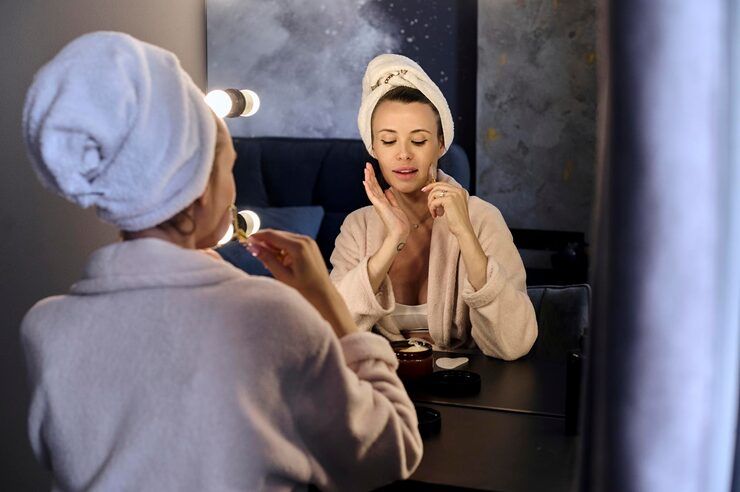
Personalized skincare refers to an approach to skin care that considers individual characteristics such as skin type, sensitivity, lifestyle, environment, and biological factors. Unlike generalized routines, personalized skincare aims to align daily practices with the specific needs of a person’s skin. This concept exists because human skin varies widely from one individual to another and can change over time.
Skin is the body’s largest organ and performs critical functions including protection, temperature regulation, and sensory perception. Factors such as genetics, age, climate, stress levels, and daily habits influence how skin behaves and responds. A single routine may not address these differences effectively, which led to the development of more tailored approaches.
Personalized skincare has roots in dermatology, where treatments have long been adjusted based on patient-specific conditions. Over time, this idea expanded into everyday skincare education, emphasizing understanding skin behavior rather than following uniform trends. The goal is to support skin health through informed, individualized decision-making.

Importance: Why Personalized Skincare Matters Today
Personalized skincare has become increasingly relevant due to growing awareness of skin diversity and the limitations of one-size-fits-all routines. As people seek clearer information about skin health, tailored approaches help bridge the gap between general advice and individual needs.
This topic matters because:
-
Skin responds differently to environmental and lifestyle factors
-
Personalized routines can help reduce unnecessary irritation
-
Understanding skin type supports better daily care decisions
-
Preventive skin health benefits from consistent, suitable practices
Personalized skincare affects a broad audience, including adolescents experiencing hormonal changes, adults managing environmental exposure, and individuals noticing age-related skin changes. It also concerns dermatology professionals, researchers, and public health educators focused on skin wellness.
By addressing common challenges such as sensitivity, uneven texture, dryness, or excess oil, personalized skincare helps people understand their skin better and make informed choices that align with long-term skin health goals.
Recent Updates: Trends and Developments in the Past Year
During 2024 and 2025, personalized skincare gained further attention through advancements in skin analysis and education. One notable trend in early 2024 was the growing emphasis on skin barrier health as a foundational concept. Research discussions highlighted the importance of maintaining the skin’s protective layer when designing tailored routines.
In mid-2024, digital skin assessment tools became more widely discussed in academic and clinical settings. These tools aim to support objective evaluation of skin characteristics such as hydration, texture, and tone, helping users better understand individual skin patterns.
By late 2024 and into 2025, there was increased focus on minimalistic and evidence-based routines. Rather than complex multi-step regimens, personalized skincare discussions emphasized suitability, consistency, and simplicity based on individual skin responses.
Another development has been the integration of lifestyle data into skincare education. Topics such as sleep patterns, environmental exposure, and stress levels were increasingly linked to personalized skincare planning in 2025 research and wellness discussions.
Laws and Policies: Regulatory Considerations in Skincare
Personalized skincare is influenced by cosmetic and healthcare regulations that focus on safety, transparency, and consumer protection. While skincare routines themselves are educational concepts, products and diagnostic tools used in skincare fall under regulatory oversight.
International guidance related to skin health and cosmetic safety is influenced by organizations such as the World Health Organization, which provides broader public health recommendations related to skin protection and wellness.
In the United States, skincare-related products and certain diagnostic technologies are subject to frameworks overseen by the U.S. Food and Drug Administration. These frameworks focus on safety standards, labeling, and appropriate usage.
In India, cosmetic products and dermatological tools are regulated under national guidelines that aim to ensure quality and consumer safety. Regulatory oversight supports responsible communication and education around skincare practices, including personalized approaches.
Tools and Resources: Learning and Assessment References
Several tools and resources help individuals learn about personalized skincare and skin health. These resources are commonly used for education, self-awareness, and research rather than promotional purposes.
Helpful tools and references include:
-
Skin type assessment questionnaires used in dermatology education
-
Digital skin analysis applications designed for informational use
-
Dermatology textbooks and online learning platforms
-
Public health resources on sun protection and skin care
-
Wellness tracking tools that relate lifestyle factors to skin condition
The table below outlines common skin types and general care considerations:
| Skin Type | Common Characteristics | General Focus Areas |
|---|---|---|
| Normal | Balanced oil and hydration | Maintenance and protection |
| Dry | Tightness, flaking | Hydration support |
| Oily | Excess shine, enlarged pores | Oil balance |
| Combination | Mixed dry and oily areas | Zone-specific care |
| Sensitive | Redness, reactivity | Barrier protection |
These resources support a clearer understanding of how different skin types benefit from tailored routines.
Frequently Asked Questions About Personalized Skincare
What does personalized skincare mean?
Personalized skincare means adjusting daily skin care practices based on individual skin characteristics, lifestyle factors, and environmental conditions.
How do skin types influence skincare routines?
Skin types affect how the skin produces oil, retains moisture, and reacts to external factors, which influences suitable care approaches.
Can skin type change over time?
Yes, skin type and condition can change due to age, climate, health status, and lifestyle factors.
Is personalized skincare only for people with skin concerns?
No, personalized skincare can also support preventive care and long-term skin health for individuals without specific concerns.
Why is skin barrier health important?
A healthy skin barrier helps protect against moisture loss, environmental exposure, and irritation, making it a key focus in tailored routines.
Conclusion: Understanding Skincare as an Individual Process
Personalized skincare emphasizes that skin health is not universal but individual. By understanding skin type, environmental influences, and lifestyle factors, people can approach skincare with greater clarity and confidence.
Awareness of recent trends, regulatory frameworks, and educational tools helps readers navigate personalized skincare responsibly. As research and technology continue to evolve, tailored skincare routines remain an important part of informed, preventive skin health and overall well-being.
Disclaimer: The information provided in this article is for informational purposes only. We do not make any claims or guarantees regarding the accuracy, reliability, or completeness of the information presented. The content is not intended as professional advice and should not be relied upon as such. Readers are encouraged to conduct their own research and consult with appropriate professionals before making any decisions based on the information provided in this article.