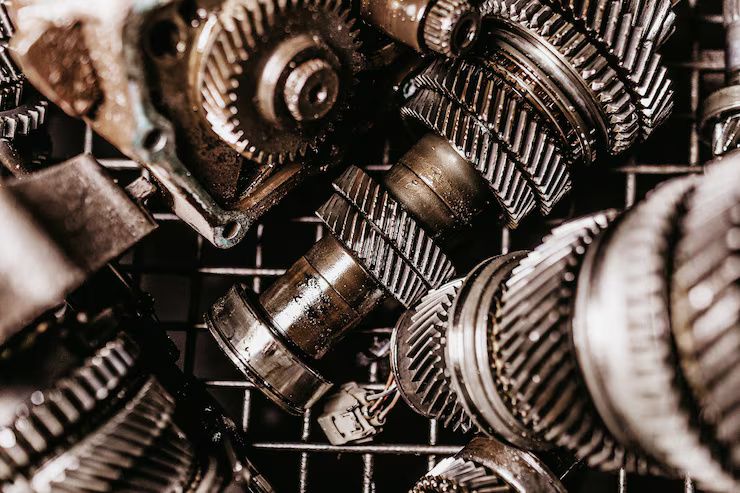
Gear manufacturing is the engineering process of designing, producing, and finishing gears used to transmit motion and power between mechanical components. Gears are fundamental elements in mechanical systems, allowing controlled speed changes, torque transfer, and directional motion. This field exists because many machines require precise and reliable motion control that cannot be achieved through direct drive systems alone.
Historically, gears were produced using basic casting and manual cutting techniques. Early applications included clocks, mills, and simple machinery. As industrialization progressed, demand grew for gears with higher accuracy, durability, and load capacity. This led to the development of specialized manufacturing methods such as hobbing, shaping, grinding, and advanced heat treatment processes.
Today, gear manufacturing combines mechanical engineering principles, materials science, and precision machining. It supports industries ranging from automotive and aerospace to energy, robotics, and industrial automation. The primary purpose of gear manufacturing is to ensure smooth power transmission with predictable performance over long operational lifecycles.
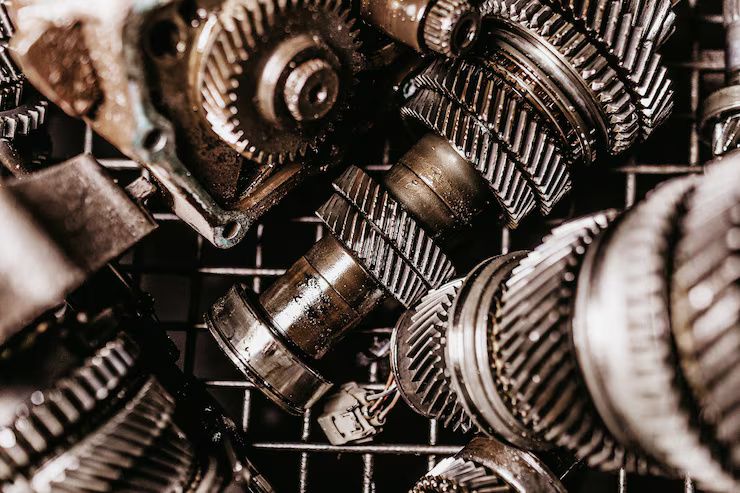
Importance: Why Gear Manufacturing Matters Today
Gear manufacturing remains critical because gears are central to modern mechanical and electromechanical systems. As machines become more compact, powerful, and efficient, the performance requirements placed on gears continue to increase.
Gear manufacturing matters today because it:
-
Enables efficient power transmission in machinery
-
Supports precise motion control and speed regulation
-
Improves reliability and lifespan of mechanical systems
-
Reduces vibration, noise, and mechanical losses
This topic affects mechanical engineers, design engineers, manufacturing specialists, and quality professionals. It also impacts industries such as transportation, renewable energy, heavy equipment, and precision instruments. Poor gear quality can lead to system failure, increased maintenance, and energy inefficiency.
By solving problems related to load distribution, wear resistance, and accuracy, advanced gear manufacturing helps ensure mechanical systems operate safely and efficiently under demanding conditions.
Recent Updates: Developments and Trends from the Past Year
During 2024 and early 2025, gear manufacturing has continued to evolve alongside advances in precision engineering and digital manufacturing. One key trend in early 2024 was the increased use of simulation and digital modeling in gear design. Engineers relied more on virtual testing to predict load behavior, contact patterns, and noise characteristics before physical production.
In mid-2024, discussions around surface finishing and micro-geometry optimization gained attention. Research highlighted how fine adjustments to tooth profiles and surface roughness can significantly improve efficiency and reduce vibration in high-speed applications.
By late 2024 and into 2025, automation and data integration became more prominent in gear production. Smart machining systems with real-time monitoring supported consistent quality and reduced variability. There was also growing interest in additive manufacturing for prototype gears and low-volume specialized applications, although traditional machining remains dominant for high-load gears.
Another recent development involved sustainability. Gear manufacturers increasingly focused on material efficiency, energy-efficient machining, and extended gear life through improved heat treatment and surface engineering.
Laws and Policies: Standards and Regulatory Considerations
Gear manufacturing is shaped by industrial standards and quality regulations rather than consumer-focused laws. These frameworks ensure safety, interchangeability, and performance consistency across industries.
International standards published by the International Organization for Standardization define terminology, tolerances, and testing methods for gears. ISO standards are widely used as reference points in design and quality assurance.
In the automotive sector, gear manufacturing practices are influenced by quality management systems aligned with standards such as those promoted by the International Automotive Task Force, which emphasize process control and defect prevention.
In India, industrial manufacturing practices, including precision component production, align with policies and technical frameworks supported by the Bureau of Indian Standards. These standards help ensure compatibility and safety in mechanical components used across sectors.
Compliance with these standards supports global collaboration, equipment safety, and consistent engineering outcomes.
Tools and Resources: Engineering and Manufacturing References
A wide range of tools and resources support learning and application in gear manufacturing. These resources are commonly used for design validation, process planning, and quality control.
Helpful tools and references include:
-
Gear design and simulation software used for load and contact analysis
-
Manufacturing process handbooks covering cutting and finishing methods
-
Metrology tools for measuring tooth geometry and surface quality
-
Heat treatment reference guides for hardness and durability control
-
Engineering standards documents for tolerances and testing
The table below outlines common gear manufacturing processes and their primary purpose:
| Manufacturing Process | Primary Purpose | Typical Application |
|---|---|---|
| Hobbing | High-volume gear cutting | Automotive, industrial |
| Shaping | Internal and external gear cutting | Complex gear profiles |
| Grinding | Precision finishing | High-accuracy applications |
| Heat treatment | Improve strength and wear resistance | Load-bearing gears |
| Honing/Lapping | Surface refinement | Noise and efficiency control |
These tools and references help engineers understand how manufacturing choices affect gear performance.
Frequently Asked Questions About Gear Manufacturing
What is the main goal of gear manufacturing?
The main goal is to produce gears that transmit power efficiently, reliably, and with minimal loss or wear.
Why is heat treatment important in gear manufacturing?
Heat treatment enhances strength, hardness, and fatigue resistance, which are critical for gears under repeated load.
How does gear accuracy affect system performance?
Higher accuracy improves load distribution, reduces vibration and noise, and increases overall system efficiency.
Are all gears manufactured using the same process?
No, the manufacturing process depends on gear type, size, accuracy requirements, and application.
Why are standards important in gear manufacturing?
Standards ensure consistency, safety, and compatibility across machines and industries worldwide.
Conclusion: Gear Manufacturing as a Foundation of Mechanical Systems
Gear manufacturing is a cornerstone of mechanical engineering, enabling controlled motion and efficient power transmission across countless applications. From basic machinery to advanced aerospace systems, gears play a vital role in how machines function and perform.
Understanding the context, importance, recent trends, standards, and tools related to gear manufacturing helps engineers approach design and production with clarity and confidence. As manufacturing technologies continue to advance, gear manufacturing remains essential to building reliable, efficient, and durable mechanical systems in modern engineering.