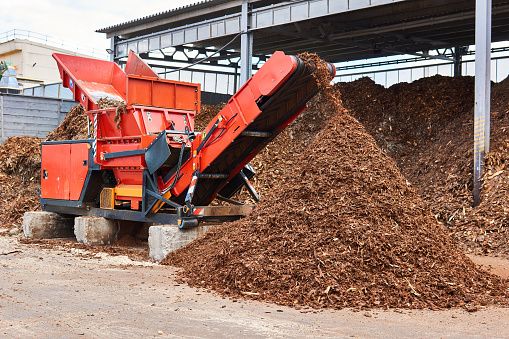
Industrial shredders are heavy-duty mechanical systems designed to reduce large volumes of materials into smaller, manageable pieces. These machines process a wide range of materials such as metals, plastics, paper, rubber, electronic waste, wood, and industrial scrap. By breaking materials down into uniform sizes, shredders support recycling, waste management, material recovery, and industrial processing workflows.
The concept of industrial shredding emerged as industries began producing higher volumes of waste and surplus materials. Manual handling and basic cutting tools were no longer sufficient. Industrial shredders were developed to handle bulk material efficiently, safely, and consistently, enabling industries to manage waste streams and raw material preparation more effectively.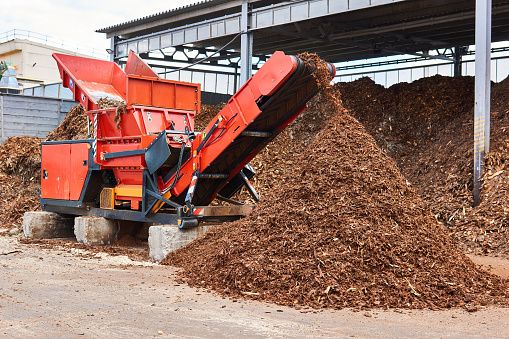
Today, industrial shredders are widely used in manufacturing plants, recycling facilities, power generation sites, data disposal environments, and infrastructure projects. Their role extends beyond size reduction, contributing to sustainability goals and operational efficiency.
Why Industrial Shredders Matter Today
The importance of industrial shredders has increased as industries face rising material volumes, environmental concerns, and regulatory oversight. Efficient material handling has become a necessity rather than an option.
Industrial shredders matter because they help address several challenges:
-
Reduction of industrial waste volume for easier handling
-
Preparation of materials for recycling and reuse
-
Safer processing of bulky or hazardous materials
-
Improved efficiency in downstream processes such as sorting or melting
-
Support for circular economy practices
-
Controlled destruction of sensitive or obsolete materials
These machines affect a wide range of stakeholders, including manufacturers, recycling operators, waste processors, environmental planners, and regulatory authorities. Without shredding systems, many recycling and recovery processes would be inefficient or impractical.
Industrial shredders also help reduce transportation burdens by compacting materials before movement. Smaller material sizes improve storage efficiency and reduce logistical strain.
How Industrial Shredders Work – Basic Understanding
Industrial shredders operate by applying mechanical force to materials using rotating shafts fitted with cutting blades or hooks. The design and configuration depend on material type, size, hardness, and output requirements.
The general working process includes:
-
Material is fed into the shredding chamber
-
Rotating blades grip, tear, or cut the material
-
Material passes through sizing screens or cutters
-
Output size is controlled by blade design and rotation speed
-
Shredded material exits for further processing
Different machines may use single-shaft, dual-shaft, or multi-shaft configurations. Control systems regulate torque, speed, and load to prevent damage and ensure consistent output.
Common Types of Industrial Shredders
| Shredder Type | Typical Application | Key Characteristic |
|---|---|---|
| Single-Shaft Shredder | Plastics, paper, light metals | Controlled, uniform output |
| Dual-Shaft Shredder | Metal scrap, tires | High torque, aggressive cutting |
| Four-Shaft Shredder | E-waste, hazardous materials | Precision and safety |
| Granulators | Fine material reduction | Small, consistent particle size |
Each type serves a specific industrial requirement, and selection depends on material behavior and processing goals.
Recent Updates and Industry Trends
Over the past year, industrial shredding technology has continued to evolve in response to environmental, operational, and digital transformation needs.
Notable trends observed during 2024–2025 include:
-
Increased integration of automation and digital monitoring
-
Development of energy-efficient drive systems
-
Enhanced blade materials for longer operational life
-
Improved noise and vibration control technologies
-
Expansion of shredding systems designed for electronic waste
-
Adoption of smart sensors for overload protection
-
Growing focus on dust control and workplace safety
Many modern shredders now include data tracking capabilities that help operators monitor throughput, blade wear, and machine health. This shift toward data-driven operation supports predictive maintenance and operational reliability.
Sustainability-driven policies have also encouraged greater use of shredders in recycling and material recovery sectors.
Laws, Policies, and Regulatory Considerations
Industrial shredders operate within a framework of environmental, safety, and industrial regulations. These rules vary by country but generally address similar areas.
Key regulatory considerations include:
-
Industrial safety standards for rotating machinery
-
Noise emission and vibration control guidelines
-
Environmental compliance for waste processing
-
Rules for handling hazardous and electronic waste
-
Worker protection and machine guarding requirements
-
Documentation and reporting obligations for waste treatment
In many regions, shredders used for waste processing must align with national waste management rules and environmental protection acts. Facilities may also be subject to inspection to ensure proper material handling and safety practices.
Compliance with these regulations supports safer operations and responsible material processing.
Tools and Resources Related to Industrial Shredders
Several tools and resources help industries understand, manage, and optimize shredding operations.
Helpful resources include:
-
Equipment specification comparison charts
-
Material compatibility reference guides
-
Industrial safety checklists for machinery operation
-
Maintenance planning templates
-
Load calculation and throughput estimation tools
-
Environmental compliance documentation guides
-
Training manuals for machine operators
-
Industry research reports on recycling and waste processing
Digital dashboards and monitoring platforms are increasingly used to analyze shredder performance and identify efficiency improvements.
Practical Insights and Operational Considerations
Effective use of industrial shredders requires attention to material input, machine settings, and maintenance routines.
Practical guidance includes:
-
Sorting materials before shredding to prevent damage
-
Avoiding overloading to maintain consistent output
-
Regular inspection of cutting blades for wear
-
Monitoring vibration and temperature indicators
-
Maintaining proper lubrication and alignment
-
Using safety interlocks and emergency stop systems
-
Documenting operational data for trend analysis
Understanding material characteristics such as hardness, moisture content, and density improves shredder performance and reduces downtime.
Table: Industrial Shredders and Material Handling Goals
| Material Type | Shredding Purpose | Processing Benefit |
|---|---|---|
| Metals | Size reduction | Easier melting and transport |
| Plastics | Volume control | Recycling preparation |
| Paper & Cardboard | Compaction | Storage efficiency |
| Electronic Waste | Secure breakdown | Material recovery |
| Rubber & Tires | Granulation | Reuse and repurposing |
FAQs
What is the primary function of an industrial shredder?
An industrial shredder reduces the size of materials to support recycling, waste management, and industrial processing.
Which industries commonly use industrial shredders?
Manufacturing, recycling, waste management, power generation, and electronic disposal sectors commonly rely on shredders.
How is shredder output size controlled?
Output size is influenced by blade design, shaft speed, and internal screens or cutters.
Are industrial shredders suitable for mixed materials?
Some shredders are designed for mixed materials, but sorting improves efficiency and machine life.
Why is maintenance important for shredders?
Regular maintenance ensures consistent performance, reduces breakdown risk, and extends equipment lifespan.
Conclusion
Industrial shredders play a vital role in modern industrial ecosystems. By enabling efficient material size reduction, they support recycling efforts, waste management systems, and manufacturing processes. Their contribution extends beyond mechanical function, helping industries manage resources responsibly and improve operational efficiency.
Recent technological advancements have made shredders safer, more efficient, and increasingly data-driven. Regulatory frameworks continue to shape their usage, emphasizing safety, environmental protection, and accountability.
Understanding the basics, operational principles, and practical considerations of industrial shredders allows industries to make informed decisions and manage materials more effectively. As industrial activity grows and sustainability expectations rise, industrial shredders will remain essential tools in responsible material management.