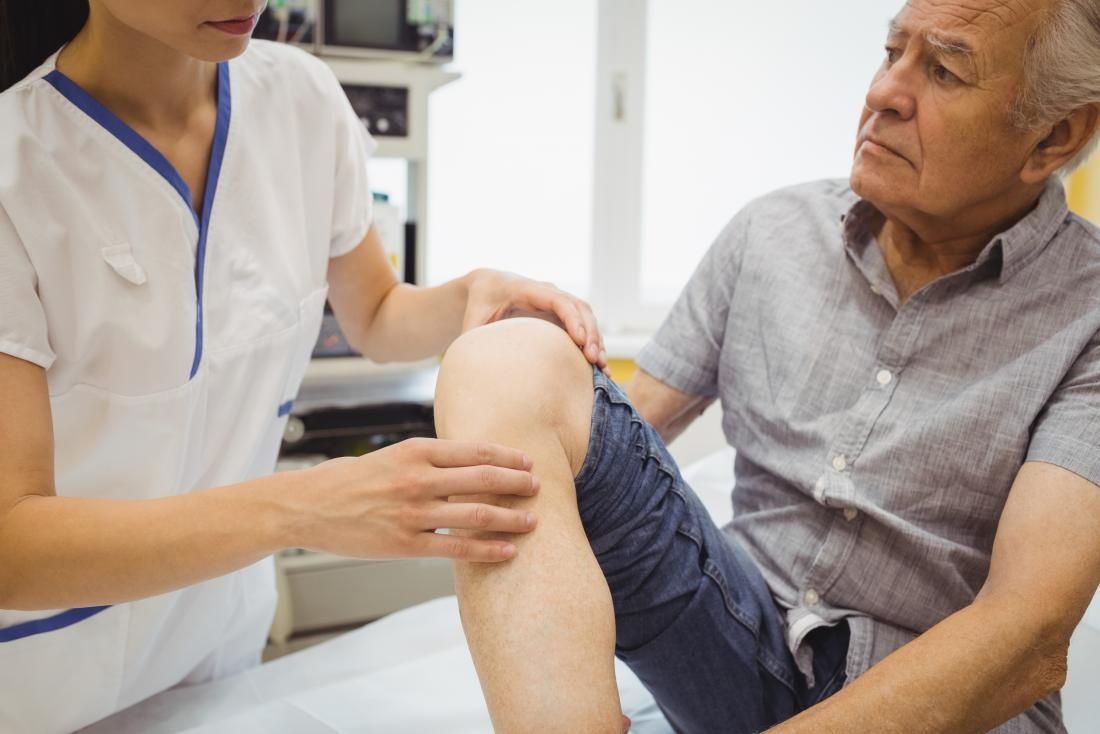
Knee joint replacement is a medical procedure designed to restore function and reduce pain in a knee joint that has been damaged over time. The procedure involves replacing worn or injured joint surfaces with artificial components that allow smoother movement. It exists because certain knee conditions most commonly degenerative joint changes can limit daily activities such as walking, standing, or climbing stairs despite non-surgical management.
The knee is a weight-bearing joint that absorbs stress throughout life. Over years of use, injury, or disease, cartilage can wear away, leading to stiffness, swelling, and restricted motion. Knee joint replacement emerged to address these challenges by improving joint alignment and restoring mobility when conservative approaches no longer provide relief.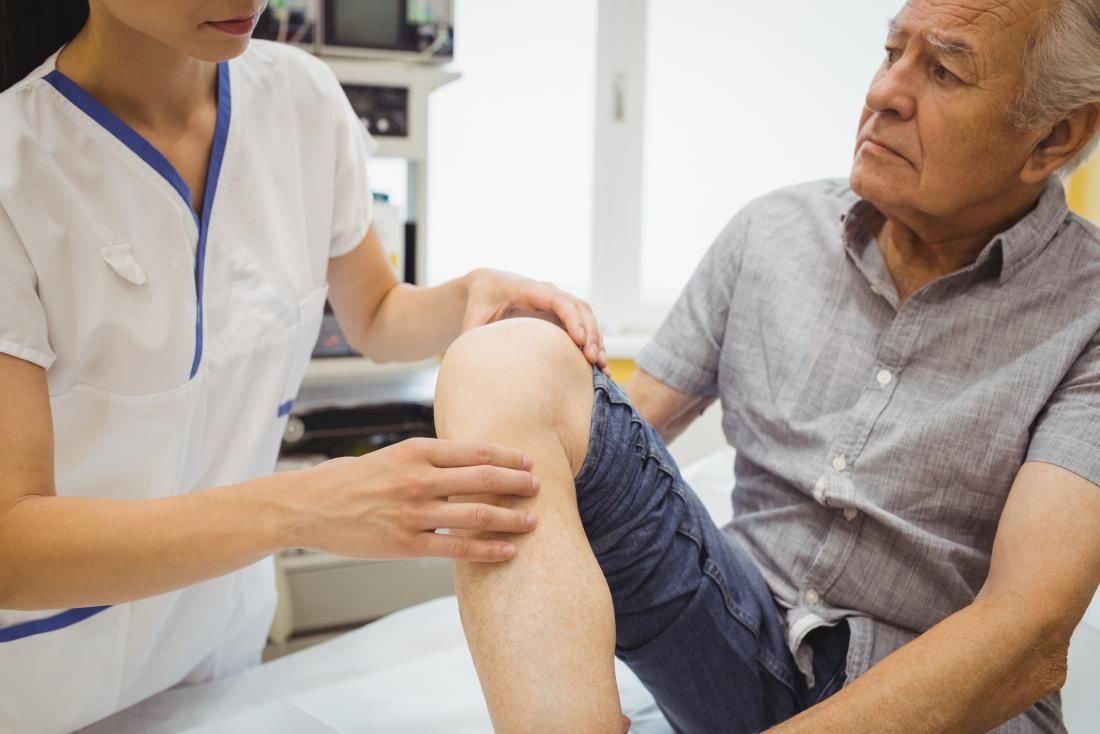
Why Knee Joint Replacement Matters Today
Knee joint conditions affect people across different age groups, though they are more common among older adults and individuals with physically demanding lifestyles. As life expectancy increases and populations remain active longer, the number of people experiencing chronic knee discomfort has also grown.
This topic matters today because it relates to:
-
Long-term joint health and mobility
-
Daily independence for individuals with knee degeneration
-
Quality of life for people limited by joint stiffness or pain
-
Participation in work, exercise, and routine physical activities
-
Reduction of disability linked to advanced knee joint damage
Knee joint replacement addresses problems such as persistent joint pain, deformity, and reduced function. It helps individuals regain stability and movement, supporting safer walking patterns and improved posture. For many, understanding this procedure allows informed decision-making and realistic expectations.
Understanding How Knee Joint Replacement Works
Knee joint replacement focuses on resurfacing the damaged areas of the knee rather than replacing the entire joint. The procedure may involve one part of the knee or multiple compartments, depending on the condition.
Common elements involved include:
-
Removal of damaged cartilage and bone surfaces
-
Placement of metal and medical-grade plastic components
-
Realignment of the joint to restore smooth movement
-
Gradual recovery through guided rehabilitation
The artificial components are designed to mimic the natural motion of the knee, allowing bending and straightening with reduced friction.
Table: Types of Knee Joint Replacement Procedures
| Type | Description | Typical Use Case |
|---|---|---|
| Total Knee Replacement | All joint surfaces are resurfaced | Advanced joint degeneration |
| Partial Knee Replacement | Only one compartment is treated | Localized damage |
| Revision Knee Replacement | Replacement of an earlier implant | Wear or alignment issues |
| Bilateral Knee Replacement | Both knees addressed | Symmetrical joint damage |
Recent Updates and Developments
The field of knee joint replacement continues to evolve through research, technology, and improved surgical planning. Over the past year, several trends have been noted globally.
Recent developments include:
-
Increased use of robotic-assisted techniques to enhance alignment accuracy (2024–2025)
-
Wider adoption of patient-specific planning using digital imaging
-
Improved implant materials designed to increase durability and joint motion
-
Enhanced recovery protocols focusing on early movement and reduced hospital stay
-
Data-driven outcome tracking through national joint registries
These updates reflect a shift toward precision, personalization, and long-term joint performance. Ongoing research also focuses on reducing recovery time while maintaining safety and reliability.
Regulations, Guidelines, and Policy Awareness
Knee joint replacement procedures are governed by medical regulations and clinical guidelines that ensure patient safety and standardized practice. These rules vary by country but generally address procedure approval, implant safety, and post-operative care standards.
Key regulatory aspects include:
-
Approval of implant materials by national health authorities
-
Clinical practice guidelines issued by orthopedic associations
-
Infection-control standards for operating environments
-
National joint replacement registries monitoring long-term outcomes
-
Public health programs supporting mobility and rehabilitation awareness
In countries such as India, knee joint replacement falls under broader healthcare quality frameworks and medical device regulations overseen by national authorities. These systems aim to ensure procedural transparency, ethical practice, and patient safety.
Tools and Knowledge Resources Related to Knee Joint Replacement
Understanding knee joint replacement is supported by various educational and planning tools. These resources help individuals learn about anatomy, preparation, and recovery expectations.
Helpful resources include:
-
Knee anatomy diagrams and movement simulators
-
Pre-procedure mobility assessment checklists
-
Digital recovery tracking applications for exercise progress
-
Educational portals from orthopedic associations
-
Rehabilitation planning templates for gradual activity increase
-
Mobility scoring tools that measure joint function improvement
Such tools support informed discussions and realistic planning without replacing professional medical guidance.
Table: Common Recovery Milestones (General Timeline)
| Phase | Typical Focus |
|---|---|
| Early Recovery | Pain control and gentle movement |
| Mid Recovery | Strength and balance improvement |
| Advanced Recovery | Return to routine daily activities |
| Long-Term | Continued joint function monitoring |
Recovery timelines vary depending on individual health and procedure type.
Key Facts and Practical Insights
Several facts are important for general understanding:
-
Knee joint replacement is usually considered after other management options are explored
-
Rehabilitation plays a central role in functional improvement
-
Joint movement improves gradually rather than immediately
-
Long-term outcomes depend on activity level, joint care, and follow-up
-
Realistic expectations support better satisfaction and adaptation
Clear understanding reduces uncertainty and supports better preparation.
FAQs
What conditions commonly lead to knee joint replacement?
Osteoarthritis, rheumatoid arthritis, and joint damage from injury are common reasons for considering this procedure.
How long does a knee replacement implant usually last?
Modern implants are designed for long-term use, often lasting many years depending on activity level and joint care.
Is knee joint replacement suitable for younger individuals?
Age alone does not determine suitability. Decisions depend on joint condition, symptoms, and lifestyle impact.
What role does rehabilitation play after the procedure?
Rehabilitation supports strength, flexibility, and balance, helping the joint function effectively over time.
Can normal activities be resumed after recovery?
Many daily activities such as walking and light exercise can usually be resumed gradually, based on guidance and progress.
Conclusion
Knee joint replacement exists to restore movement and reduce discomfort for individuals affected by advanced knee joint damage. As populations age and remain active, understanding this procedure becomes increasingly relevant. It addresses mobility limitations, supports independence, and improves overall joint function when other approaches are no longer effective.
Recent developments highlight progress in precision techniques, implant design, and recovery planning. Regulations and guidelines continue to prioritize safety and long-term outcomes. With access to educational tools and reliable information, individuals can approach knee joint replacement with clarity and realistic expectations.
In summary, knee joint replacement represents a well-established medical option focused on restoring movement, improving stability, and supporting everyday mobility through structured care and informed decision-making.
Disclaimer: The information provided in this article is for informational purposes only. We do not make any claims or guarantees regarding the accuracy, reliability, or completeness of the information presented. The content is not intended as professional advice and should not be relied upon as such. Readers are encouraged to conduct their own research and consult with appropriate professionals before making any decisions based on the information provided in this article.