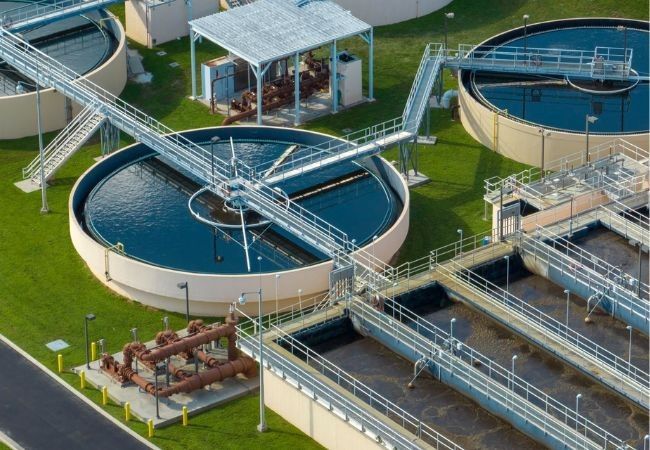
Industrial water treatment systems are designed to purify, recycle, or condition water for industrial processes. These systems remove impurities such as sediments, chemicals, heavy metals, microorganisms, and dissolved solids to ensure water meets operational, environmental, and safety requirements.
Industries rely on water for cooling, cleaning, processing, boiler feed, chemical reactions, and product formulation. Untreated or poorly treated water can damage equipment, reduce efficiency, create environmental hazards, and compromise product quality.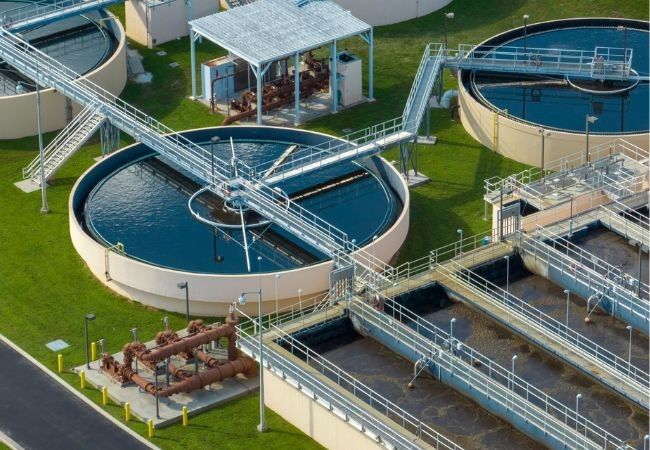
Water treatment systems exist to protect machinery, maintain regulatory compliance, reduce environmental impact, and ensure safe, high-quality water for industrial use.
Importance – Why This Topic Matters Today
Industrial water treatment is critical for several reasons:
-
Operational reliability: Proper water quality prevents scaling, corrosion, and microbial growth in boilers, cooling towers, and pipelines.
-
Environmental compliance: Treating wastewater before discharge is essential to meet environmental regulations and avoid fines.
-
Resource conservation: Recycling and reusing water reduces consumption, supporting sustainability goals and lowering operational costs.
-
Product quality: Certain industries, such as food and beverage, pharmaceuticals, and chemicals, require high-purity water to maintain product integrity.
-
Energy efficiency: Proper water treatment reduces fouling and scaling in heat exchangers, pumps, and boilers, lowering energy consumption.
Industries that benefit from water treatment include power generation, manufacturing, chemicals, pharmaceuticals, textiles, food processing, mining, and municipal utilities.
Recent Updates – Trends and Developments
The industrial water treatment sector is evolving rapidly due to technological advancements, regulatory pressures, and sustainability initiatives:
-
Smart water treatment systems: IoT-enabled sensors and real-time monitoring allow predictive maintenance, automated dosing, and performance optimization.
-
Membrane technologies: Advanced filtration systems, such as reverse osmosis (RO), ultrafiltration (UF), and nanofiltration, are increasingly adopted for high-purity water applications.
-
Water recycling and zero liquid discharge (ZLD): Growing focus on sustainability has led to the implementation of systems that recycle and reuse wastewater, minimizing environmental impact.
-
Energy-efficient operations: Energy recovery devices and optimized pump/compressor systems reduce operational costs in treatment plants.
-
Emerging contaminants: Treatment systems are evolving to remove micropollutants, heavy metals, and chemical residues, addressing modern industrial and environmental concerns.
These developments highlight the growing importance of efficient, sustainable, and technologically advanced water treatment solutions in industrial operations.
Laws or Policies – Regulatory Considerations
Industrial water treatment is subject to strict regulations to protect public health, the environment, and operational safety:
-
Effluent discharge standards: Industries must treat wastewater to meet permissible limits for chemical oxygen demand (COD), biological oxygen demand (BOD), heavy metals, and other pollutants before discharge.
-
Environmental protection laws: Regulations may require monitoring, reporting, and compliance with local environmental protection agencies.
-
Water recycling and conservation mandates: Many regions encourage or mandate water reuse, reuse quotas, or zero-liquid-discharge systems for industrial facilities.
-
Occupational safety and health regulations: Proper water treatment ensures safe working conditions by preventing exposure to harmful chemicals or pathogens.
Compliance ensures industries avoid fines, reduce environmental impact, and maintain sustainable operations.
Tools and Resources – Useful Tools and Services
Industrial water treatment requires a combination of equipment, analytical tools, and management systems:
-
Water quality analyzers: Measure parameters like pH, conductivity, turbidity, hardness, and microbial load to optimize treatment processes.
-
Chemical dosing systems: Automated controllers ensure precise dosing of coagulants, disinfectants, or pH adjusters.
-
Filtration and membrane systems: RO, UF, nanofiltration, and multimedia filters allow removal of suspended and dissolved contaminants.
-
SCADA and monitoring software: Enables real-time monitoring, predictive maintenance, and process optimization.
-
Maintenance checklists and compliance templates: Help track operational efficiency, regulatory compliance, and maintenance schedules.
These tools improve operational efficiency, reduce downtime, ensure water quality, and maintain regulatory compliance.
Comparison Table – Common Industrial Water Treatment Systems
| Treatment System | Key Function | Common Applications |
|---|---|---|
| Reverse Osmosis (RO) | Removes dissolved salts, heavy metals | High-purity water, boiler feed, pharmaceutical water |
| Ultrafiltration (UF) | Removes suspended solids, bacteria | Cooling water, pre-treatment for RO |
| Chemical Treatment | Controls scale, corrosion, biofouling | Boilers, cooling towers, heat exchangers |
| Sedimentation & Filtration | Removes large solids and debris | Raw water treatment, industrial process water |
| Ion Exchange | Softens water, removes hardness | Boiler feed, chemical processes |
| Zero Liquid Discharge (ZLD) | Treats and recycles wastewater completely | Textile, chemical, and power industries |
FAQs – Frequently Asked Questions
Why is industrial water treatment necessary?
It prevents scaling, corrosion, microbial growth, and ensures water meets process, environmental, and safety standards.
What is the difference between RO and UF systems?
RO removes dissolved salts and very fine impurities, while UF removes suspended solids, bacteria, and colloids but not dissolved salts.
Can treated water be reused in industrial processes?
Yes, treated water can be recycled for cooling, cleaning, or process applications, reducing overall water consumption.
How often should industrial water treatment systems be maintained?
Maintenance depends on system type and water quality. Regular inspections, cleaning, membrane replacement, and chemical dosing checks are recommended.
What are emerging trends in industrial water treatment?
Smart monitoring, membrane technology, energy-efficient operations, wastewater recycling, and removal of emerging contaminants are major trends.
Conclusion
Industrial water treatment systems are essential for ensuring clean, safe, and process-ready water across multiple sectors. They support operational efficiency, regulatory compliance, environmental sustainability, and product quality.
Modern systems increasingly incorporate smart technology, energy-efficient designs, and advanced filtration methods to meet evolving industrial demands. Awareness of system types, applications, maintenance requirements, and regulatory obligations helps industries optimize performance, reduce costs, and operate sustainably.