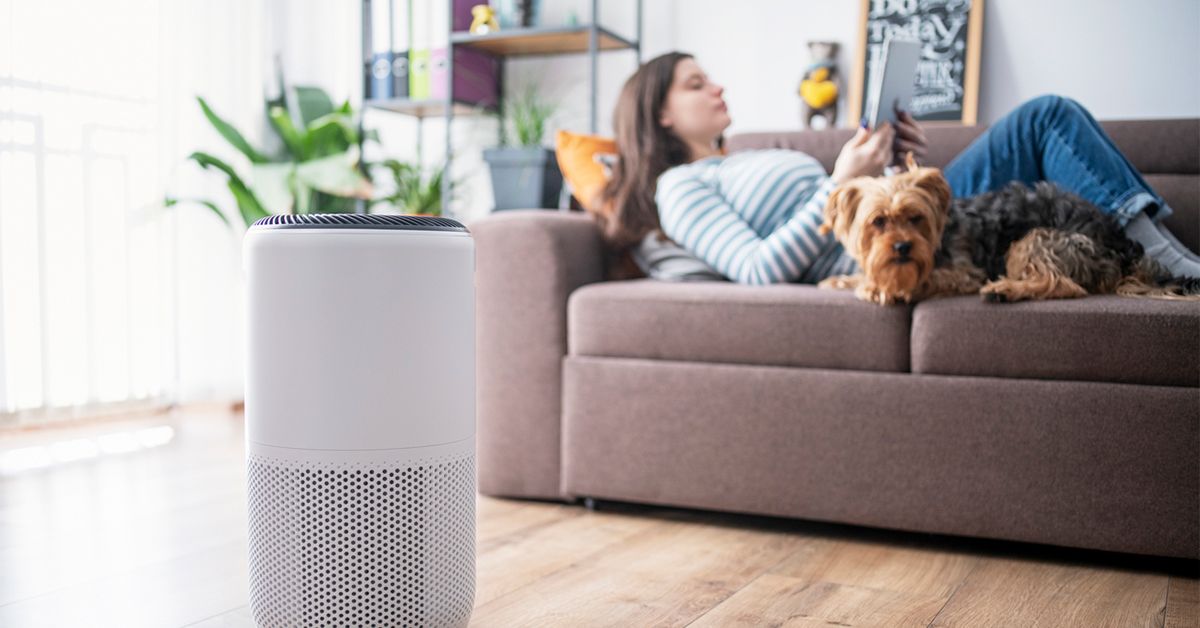
High-Efficiency Particulate Air (HEPA) purifiers are air-filtration systems designed to capture very small airborne particles from indoor environments. The technology originated in cleanroom and laboratory applications where air purity was essential for safety, research accuracy, and equipment protection. Over time, the same filtration principle became useful in residential and commercial indoor spaces where airborne dust, pollen, smoke particles, and fine pollutants affect comfort and air clarity.
A HEPA purifier typically contains a multi-layer filter made from dense fiber mats arranged in a random pattern. As air passes through the filter, particles are trapped by diffusion, interception, and inertial impaction. The term “HEPA” is associated with a recognized filtration benchmark that indicates the ability to capture extremely small particles under controlled testing conditions.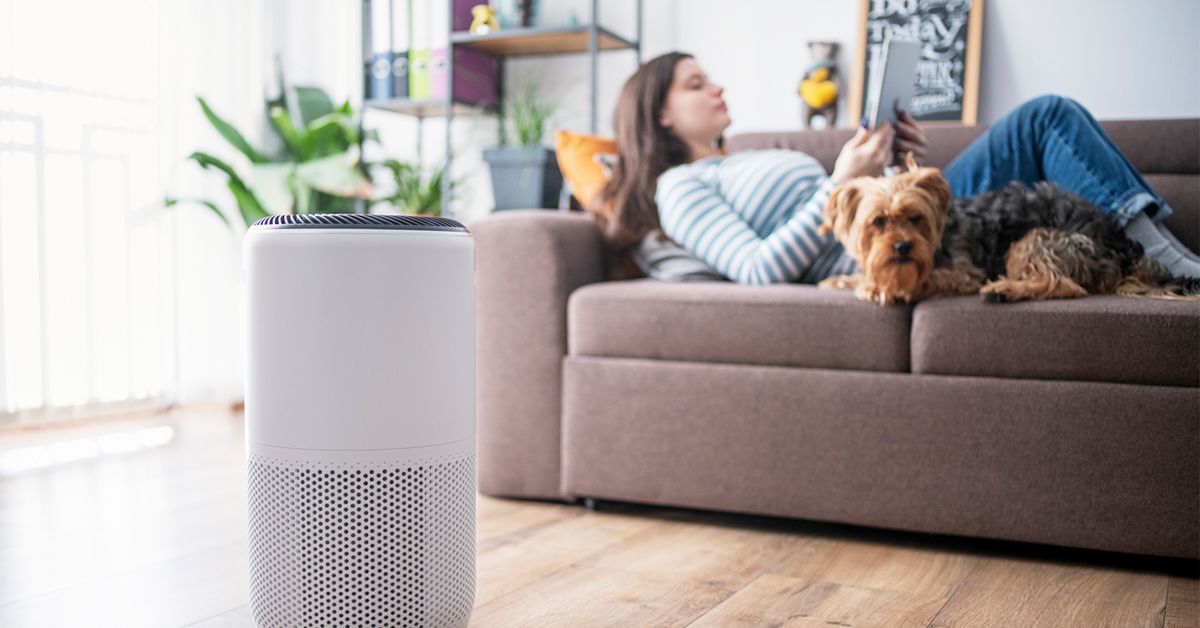
The reason this technology exists is straightforward: modern buildings are increasingly sealed to conserve energy, which limits natural ventilation. Indoor air can accumulate fine particles from traffic pollution, cooking residues, dust resuspension, seasonal pollen, and industrial emissions. Mechanical filtration offers a controlled method to improve indoor air quality without relying solely on open windows or external airflow.
Why HEPA Purifier Technology Matters Today
Urbanization, higher population density, and increased vehicle emissions have amplified indoor air quality concerns. Many people spend a large portion of their day indoors homes, offices, classrooms, and healthcare facilities making indoor air conditions highly relevant to daily well-being and productivity.
HEPA purification matters because it addresses several modern challenges:
-
Particulate exposure management: Fine particles such as PM2.5 and PM10 can remain suspended in indoor air for extended periods.
-
Seasonal allergen control: Pollen and dust accumulation affects sensitive individuals, especially during seasonal transitions.
-
Urban pollution infiltration: Outdoor traffic and industrial emissions often enter indoor spaces through ventilation and open windows.
-
Indoor activity by-products: Cooking fumes, smoke residues, and cleaning aerosols contribute to particle buildup.
-
Controlled environments: Offices, laboratories, clinics, and educational facilities benefit from stable air filtration standards.
This technology affects households, building managers, healthcare administrators, environmental engineers, and facility planners who aim to maintain consistent indoor air quality levels. Rather than addressing only visible dust, HEPA filtration focuses on microscopic contaminants that cannot be seen but influence indoor air stability.
Recent Developments and Industry Trends
In the past year, air filtration technology has continued to evolve toward higher efficiency, smarter monitoring, and better integration with building systems.
Notable developments observed during 2024–2025 include:
-
Improved sensor integration: Many modern systems now incorporate particle sensors that continuously measure indoor air quality and adjust airflow automatically.
-
Energy-efficient motor upgrades: Newer fan motors consume less electricity while maintaining consistent airflow performance.
-
Hybrid filtration layers: Some designs combine HEPA media with activated carbon or pre-filters to manage both particles and odors.
-
Noise-reduction engineering: Manufacturers increasingly focus on low-decibel airflow channels for quiet operation in bedrooms and study spaces.
-
Digital monitoring dashboards: Connected systems allow users to view air quality trends, filter lifespan indicators, and operational statistics.
-
Greater attention to filter recyclability: Sustainability discussions have influenced research into recyclable filter frames and reduced plastic use.
These trends show a gradual shift from standalone mechanical devices toward data-aware environmental management systems. The emphasis is not only on filtration but also on transparency of air quality data and operational efficiency.
Regulatory and Policy Considerations
HEPA purification technology is influenced by national standards and environmental guidelines related to air quality, electrical safety, and manufacturing compliance. While regulations vary by country, several general frameworks apply.
Common regulatory areas include:
-
Air quality standards: Government agencies often define acceptable indoor and outdoor particulate concentration levels used for reference in environmental assessments.
-
Electrical safety certification: Devices must comply with electrical safety and electromagnetic compatibility norms to ensure safe household operation.
-
Product labeling standards: Clear labeling of filtration classification, airflow capacity, and electrical ratings is typically required.
-
Energy efficiency guidelines: Some regions encourage energy-efficient appliances through labeling programs and efficiency benchmarks.
-
Environmental waste policies: Disposal and recycling guidelines apply to used filters and electronic components.
In countries such as India, air quality frameworks align with national clean air initiatives that aim to monitor particulate pollution and improve urban environmental conditions. Although these policies do not mandate purifier usage, they shape awareness and standardization of air quality measurement.
Tools, References, and Practical Resources
Understanding indoor air quality and HEPA filtration benefits from using reliable analytical and informational tools.
Helpful resources include:
-
Air quality index dashboards for tracking regional particulate levels
-
Indoor particle monitoring applications paired with smart sensors
-
Ventilation planning calculators used by building engineers
-
Environmental research portals publishing particulate trend studies
-
Filter efficiency reference charts explaining particle size capture
-
Indoor airflow modeling tools for room circulation analysis
-
Maintenance log templates for tracking filter replacement intervals
-
Educational guides from public environmental agencies
These tools support data-based decision making rather than assumptions about air cleanliness.
Key Performance Parameters Explained
Understanding core metrics helps evaluate filtration effectiveness objectively.
Filtration Efficiency
Measured as the percentage of particles captured at a specific particle size. HEPA classification relates to very small particle capture efficiency under standardized testing.
Airflow Rate
Indicates how much air passes through the system per hour. Higher airflow improves room circulation speed but must balance noise and energy consumption.
Clean Air Delivery Rate (CADR)
Represents the volume of filtered air delivered to a space. It combines airflow and filtration efficiency into a practical performance indicator.
Noise Output
Measured in decibels. Quiet operation is important in bedrooms, offices, and learning environments.
Filter Lifespan
Determines how long the filter maintains performance before saturation. Lifespan depends on environmental dust load and operating duration.
Table: Typical Particle Sizes and Filtration Relevance
| Particle Type | Approximate Size (Microns) | Filtration Relevance |
|---|---|---|
| Human hair | 50–70 µm | Easily captured by basic filters |
| Dust | 1–10 µm | Captured by fine filtration |
| Pollen | 10–100 µm | Effectively filtered |
| PM2.5 | ≤2.5 µm | Primary HEPA target range |
| Smoke particles | 0.1–1 µm | Challenging but manageable with dense media |
Usage Insights and Practical Guidance
Effective application depends on room characteristics, airflow circulation, and maintenance discipline.
Helpful practices include:
-
Positioning units where airflow is not blocked by furniture
-
Maintaining clearance around intake and outlet vents
-
Monitoring indoor humidity since excessive moisture affects particle behavior
-
Cleaning pre-filters periodically to maintain airflow efficiency
-
Avoiding placement near open windows where outdoor particles enter continuously
-
Observing sensor trends to understand daily pollution patterns
-
Aligning airflow direction with natural room circulation paths
Structured monitoring allows users to understand how activities like cooking, cleaning, or outdoor traffic influence indoor air quality.
Frequently Asked Questions
What does HEPA mean in air purification?
HEPA refers to a filtration classification that indicates high efficiency in capturing very small airborne particles under standardized testing conditions.
Can HEPA filters capture very fine particles?
Yes. Dense fiber structures trap fine particulate matter through multiple physical mechanisms such as diffusion and interception.
How often should filters be replaced?
Replacement intervals vary depending on environmental dust load, operating hours, and manufacturer guidance. Monitoring indicators provide helpful reference.
Do HEPA systems address odors or gases?
HEPA media primarily captures particles. Odor and gas management typically requires additional carbon filtration layers.
Is airflow more important than filter density?
Both are important. Effective purification balances sufficient airflow with high filtration efficiency to ensure consistent air circulation.
Conclusion
HEPA purifier technology plays a significant role in maintaining cleaner indoor air by removing fine airborne particles that accumulate in modern enclosed environments. Its origin in controlled industrial and laboratory settings demonstrates its reliability and technical rigor. Over time, this filtration approach has become increasingly relevant for residential, educational, healthcare, and commercial spaces.
Recent developments emphasize smarter monitoring, energy efficiency, acoustic comfort, and sustainable material use. Regulatory frameworks guide safety, labeling, and environmental compliance without mandating usage, allowing informed adoption based on indoor conditions.