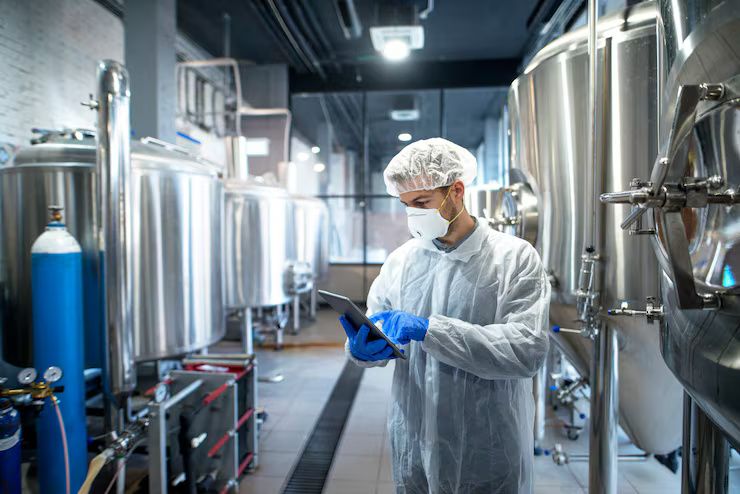
Food manufacturing is the process of transforming raw agricultural materials into packaged foods that are safe to consume and convenient to distribute. It exists because modern societies require large-scale production to meet the nutritional needs of growing populations.
Common activities in food manufacturing include cleaning, cooking, cutting, mixing, fermenting, freezing, dehydration, and packaging. These processes combine culinary knowledge, industrial engineering, microbiology, and food science to ensure that food products remain fresh, nutritious, and shelf-stable.
Food manufacturing covers a wide range of categories, such as dairy products, beverages, baked goods, canned foods, snacks, and processed meats. From small facilities to large international factories, this industry ensures access to reliable food sources year-round.
Importance
Food manufacturing plays a central role in society and affects people in several ways:
-
Food security: Helps ensure consistent availability of food regardless of climate or location.
-
Nutrition and health: Enables fortification and standardized nutritional quality.
-
Safety and hygiene: Uses protective processes to reduce contamination risks.
-
Economic growth: Supports employment and contributes to global and local economies.
-
Convenience: Offers ready-to-eat and easy-to-prepare foods for fast-paced lifestyles.
Industries such as retail, hospitality, healthcare, and education depend on food manufacturing to supply reliable products. It solves the problem of food spoilage by extending shelf life and making distribution more efficient.
Recent Updates
Over the past year (2024–2025), notable changes have shaped the food manufacturing sector:
-
Automation and robotics (2024): Production lines increasingly use smart machinery to improve quality control and reduce waste.
-
Plant-based innovations (2025): New meat alternatives and dairy substitutes continue to grow in popularity due to sustainability goals.
-
AI-driven safety monitoring (2024): Machine learning tools now scan production for abnormalities in temperature, texture, or microbial activity.
-
Sustainable packaging (2025): Companies are transitioning toward recyclable or biodegradable materials in response to environmental targets.
-
Supply chain transparency (2025): QR coding and blockchain trace ingredients from farms to consumers for improved trust and traceability.
-
Nutritional reformulation (2024): Many food producers are reducing sodium, sugar, and artificial additives to align with health priorities.
Digital transformation remains one of the most influential trends, supporting both efficiency and compliance with food quality standards.
Laws or Policies
Food manufacturing is heavily regulated to protect public health. Across many regions, rules cover labeling, hygiene, production methods, and transportation. Examples include:
-
Food Safety Management Systems: Many manufacturers follow hazard analysis frameworks such as HACCP to prevent contamination.
-
National food safety authorities:
-
The Food and Drug Administration (FDA) regulates packaged foods and processing standards in the United States.
-
The European Food Safety Authority (EFSA) oversees food regulations across the European Union.
-
-
Good Manufacturing Practices (GMP): Provide guidelines for sanitation, equipment quality, and employee training.
-
Traceability regulations: Require records of ingredient origins to support quick recall actions if needed.
-
Allergen labeling rules: Ensure transparency about potential allergens such as nuts, soy, or milk.
Governments worldwide also promote environmentally responsible practices, such as reducing food waste and improving energy efficiency in factories.
Tools and Resources
Many professional and informational resources support modern food manufacturing:
-
Food safety management software: Digital tools help track quality control, traceability, and compliance.
-
Nutritional analysis tools: Software calculates caloric and nutrient content for product labeling.
-
Industrial automation platforms: Robotics monitoring systems optimize workflow and reduce downtime.
-
Educational programs and certifications: Courses in food science, food engineering, and quality management help build technical expertise.
-
Industry associations and research organizations: Provide scientific studies and updated standards to professionals.
Example Table: Common Food Processing Techniques and Their Purpose
| Processing Technique | Primary Goal | Examples of Foods Produced |
|---|---|---|
| Pasteurization | Kill harmful microbes | Milk, juices |
| Fermentation | Enhance flavor and preserve | Yogurt, kimchi, wine |
| Freezing | Extend shelf life | Vegetables, meat |
| Canning | Prevent spoilage | Soups, beans |
| Milling | Modify texture and form | Flour, rice products |
FAQs
What are the main stages of food manufacturing?
Most production lines include intake of raw materials, processing (such as heating or mixing), packaging, and final inspection to ensure food safety and quality.
How is food safety maintained in factories?
Food producers follow strict hygiene guidelines, conduct regular testing, and use procedures like sterilization and hazard control systems to prevent contamination.
Why is processed food so common?
Processed food is widely used because it lasts longer, is easier to store and transport, and often provides fast meal options for busy lifestyles.
Are additives always unhealthy?
Not necessarily. Many additives are used to maintain freshness, improve texture, or support nutritional value. Food safety agencies review all approved additives.
How is technology improving food manufacturing?
Automation, robotics, and artificial intelligence reduce human error, enhance efficiency, and help maintain consistent product quality.
Conclusion
Food manufacturing supports modern life by making food safer, more accessible, and more convenient. It bridges the gap between agricultural production and consumer needs, ensuring that high-quality food reaches households, schools, hospitals, and global markets.
As technology evolves, the industry continues to innovate—strengthening health standards, promoting sustainability, and improving traceability from farm to table. Understanding core processes and current advancements helps highlight the importance of food manufacturing in shaping a reliable and secure food future for communities worldwide.
